
New European Standards for Acrylamide on the Horizon

The European Union is working towards further tightening the rules on acrylamide in food products. This includes the possible introduction of maximum levels for certain product categories. For manufacturers of bakery products, now is a good time to gain insight into current acrylamide levels and, where necessary, optimise recipes and baking processes.
Acrylamide can form during heating, particularly in starchy foods that are baked, roasted or fried at high temperatures. Factors such as raw materials, recipe formulation, temperature, baking time and moisture content can all affect the final acrylamide concentration.
Currently, benchmark levels and mandatory mitigation measures apply to various product categories in the EU under Regulation (EU) 2017/2158. Manufacturers are required to take appropriate measures to minimise acrylamide formation and monitor their effectiveness. The European Commission is also considering maximum levels for acrylamide in certain foods.
Prepare in Good Time with TLR International Laboratories
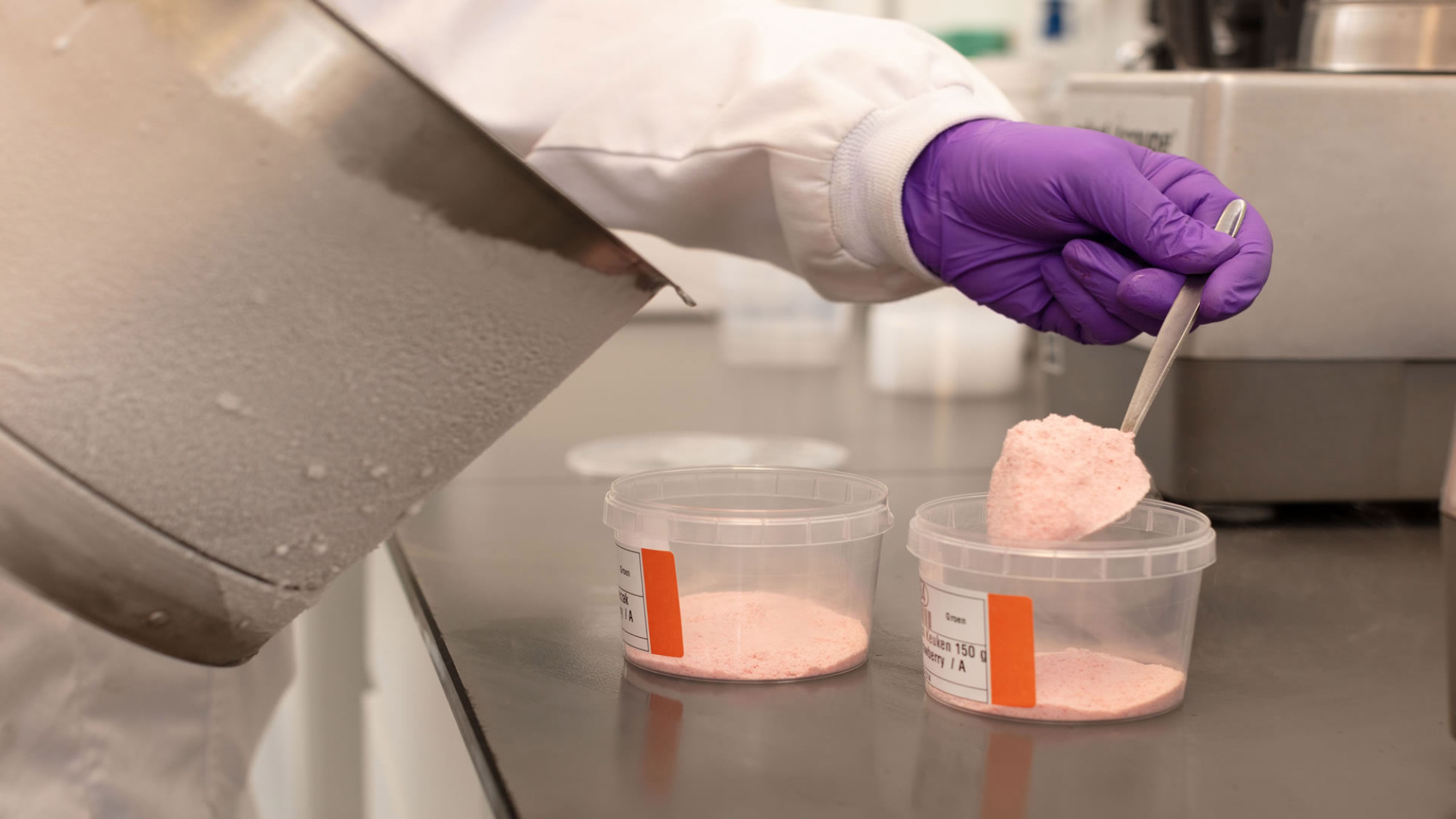
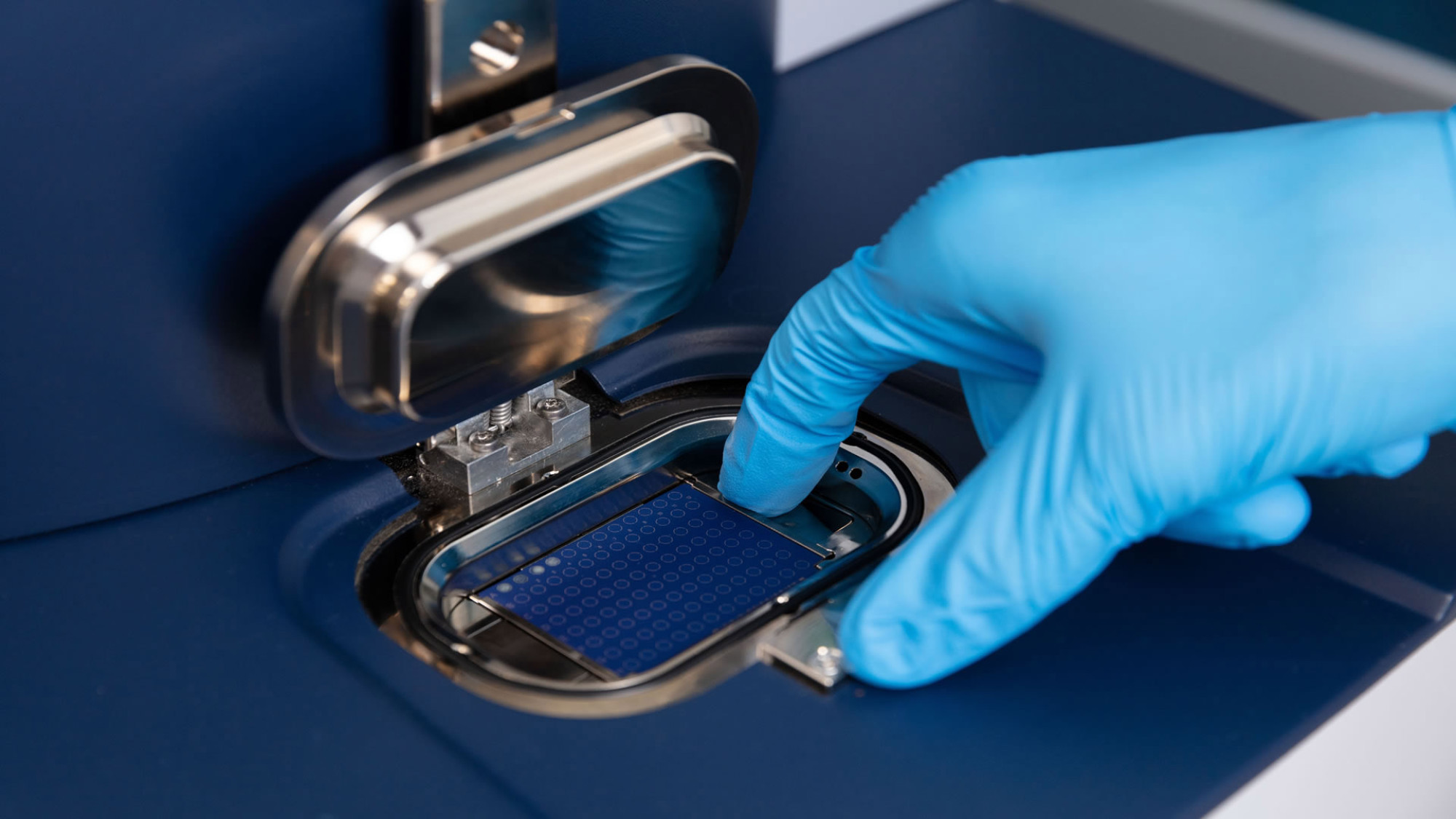
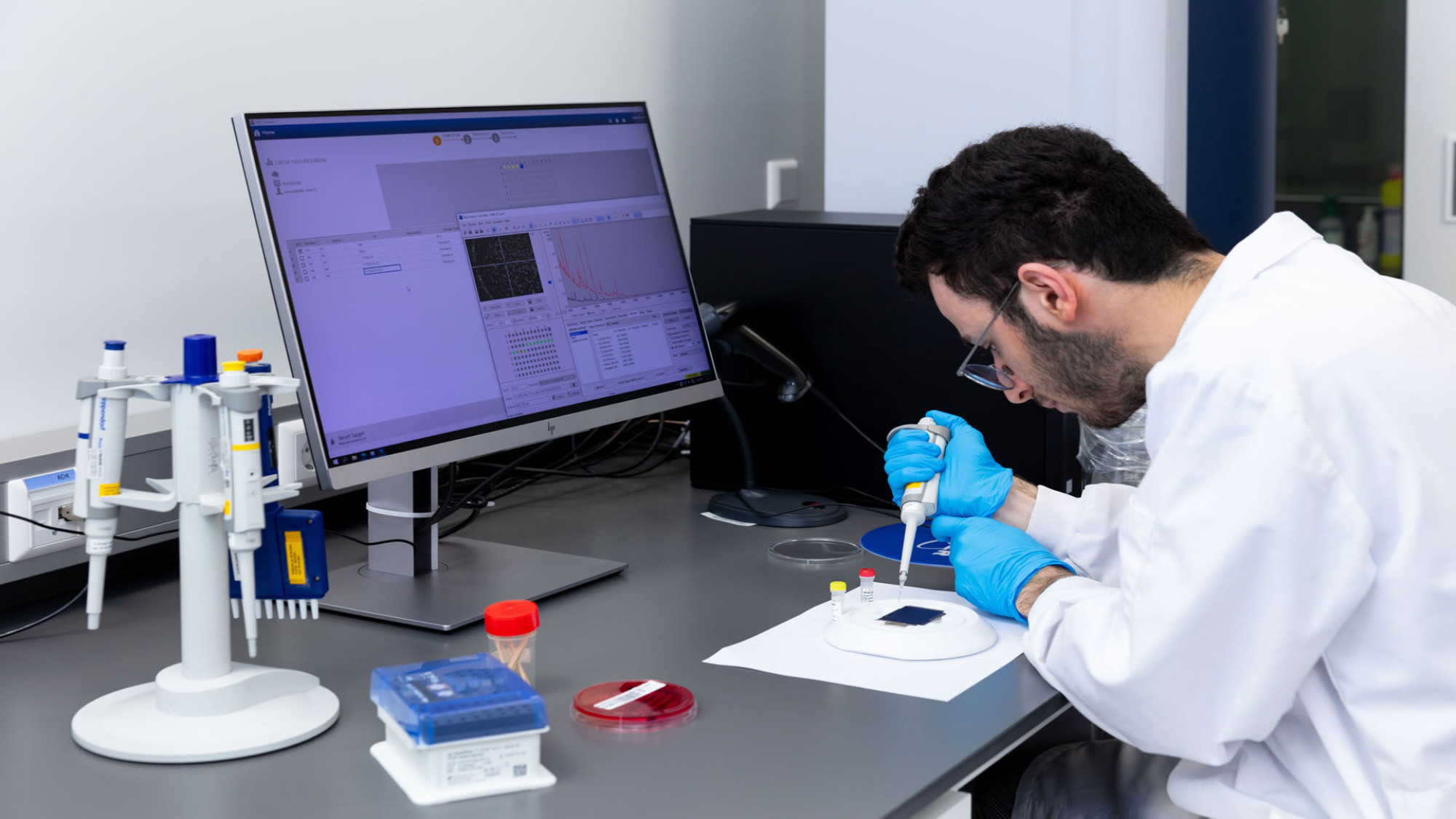
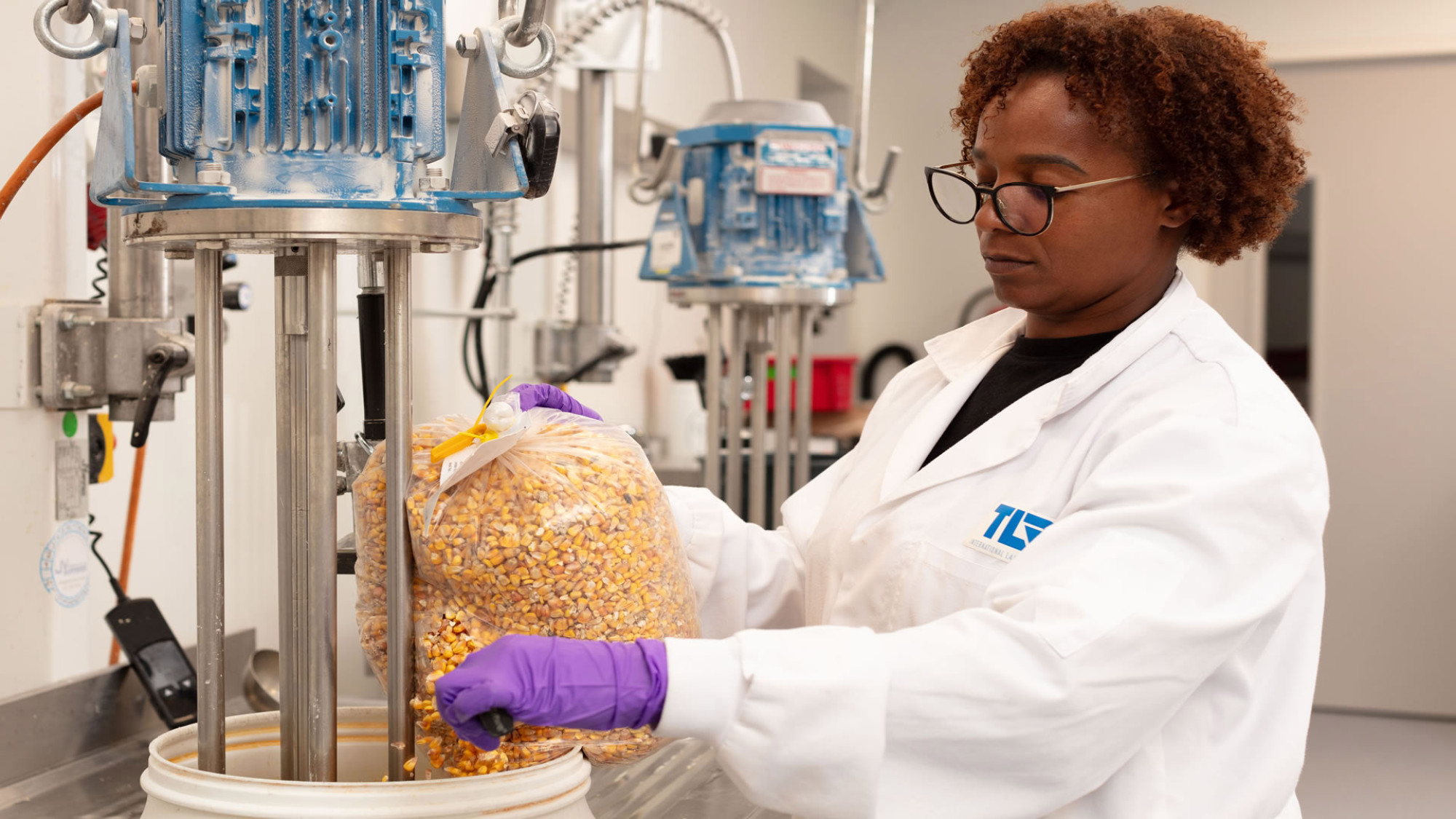
TLR International Laboratories can support food manufacturers in gaining a clear understanding of acrylamide levels in their products. By analysing products and comparing different recipes or processing conditions, potential areas of concern and opportunities for reducing acrylamide formation can be identified.
TLR International Laboratories can support you with:
- Acrylamide analysis in finished products;
- Comparison of different recipes, raw materials or batches;
- Investigation of the effects of changes in baking temperature and baking time;
- Periodic monitoring of acrylamide levels;
- Building analytical data to demonstrate the effectiveness of implemented mitigation measures.
This approach is in line with current European requirements, under which food businesses must monitor the effectiveness of their mitigation measures through appropriate sampling and analysis.
The exact future maximum levels and product classifications have not yet been finalised. The European Commission must first formally adopt and publish the new requirements.
Rather than waiting for new limits to come into force, manufacturers can act now. Timely analysis provides insight into current acrylamide levels and helps determine whether additional mitigation measures may be required. Contact TLR International Laboratories to discuss the analytical options available for your products.
Meld je aan voor de laatste tips en adviezen dat je gelijk in de praktijk kunt brengen.